Restless Spirits Episode 9: Peter Kapos
From the Porsche 911 to the Rolex Submariner, there’s a small handful of industrial designs that stand as true icons. And while it didn’t have a hand in the creation of the Swiss dive watch or the rear-engine sports car, Braun is nonetheless responsible for delivering a slew of legendary designs that have heavily influenced modern industrial design — in particular the brand’s era from 1955 to 1995 when Dieter Rams headed up Braun’s design team.
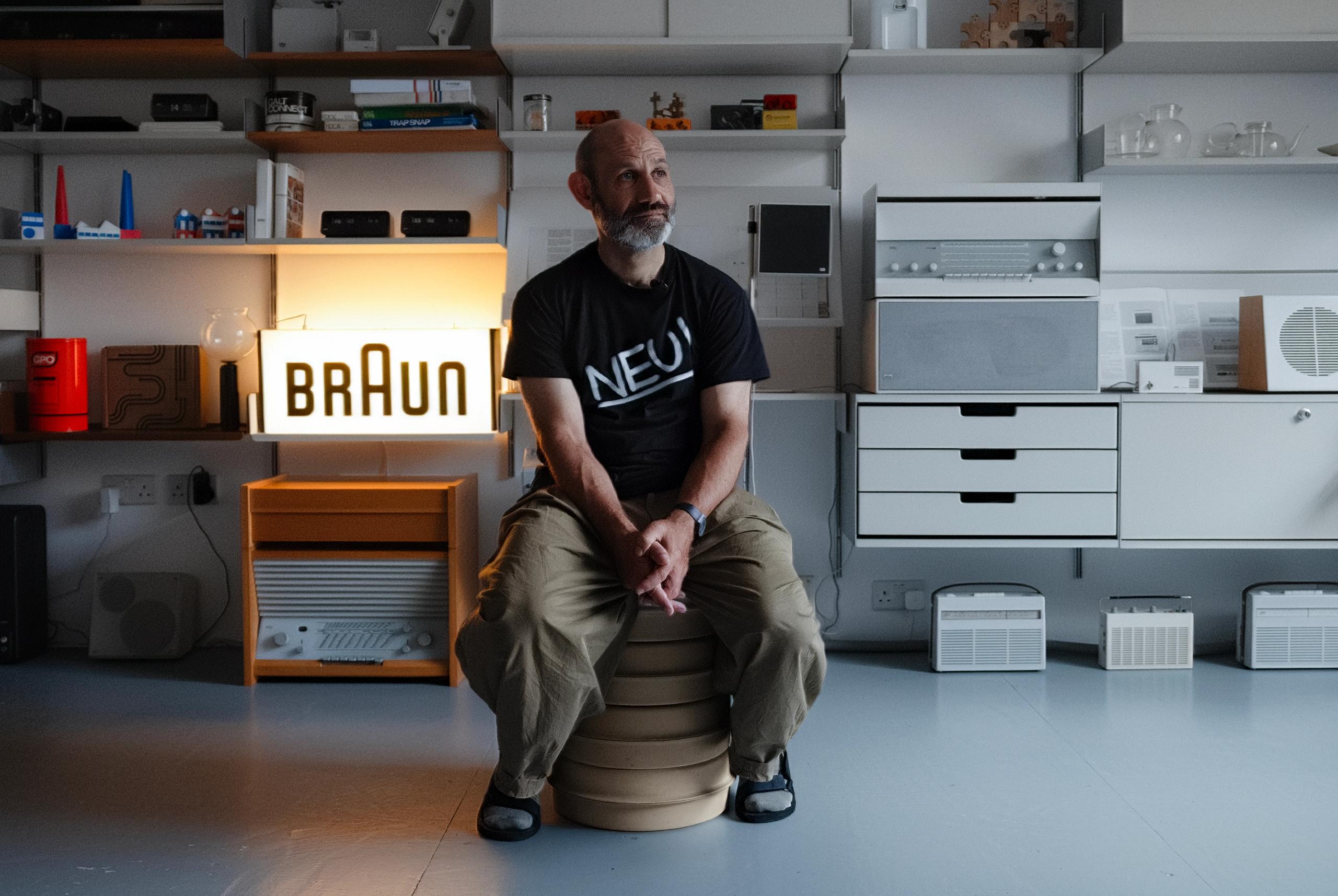
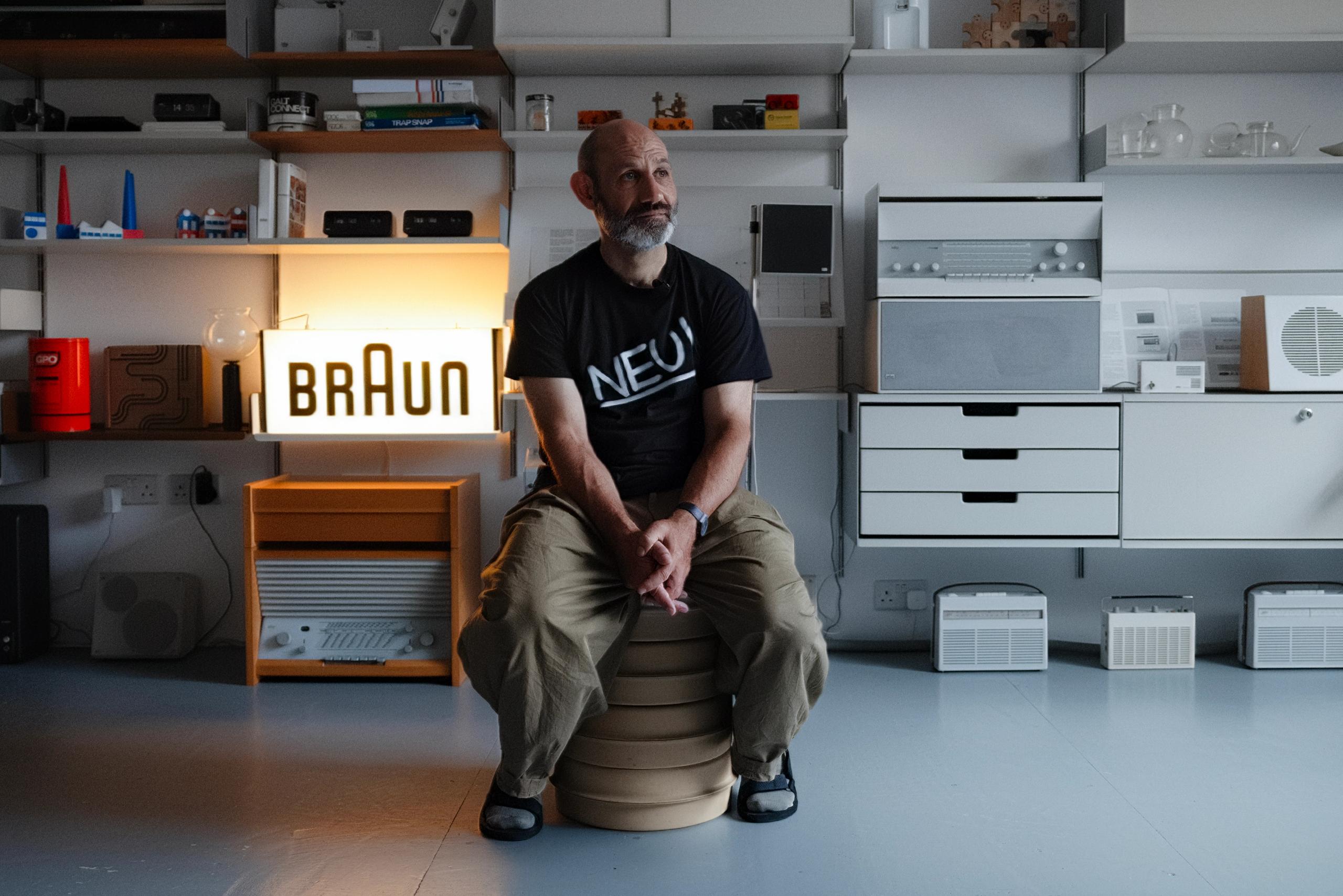
And while Braun’s products are largely beloved by the design community, Peter Kapos’ proclivity for the German firm’s wares is largely unparalleled, as Kapos heads up the London-based research arm and archive Das Programm. As a world-renowned expert on all-things-Braun, we jumped at the opportunity to sit down with Kapos, visit Das Programm, explore its world-class archive of Braun products, and discuss the German firm’s lasting legacy and continued influence on the world of design.
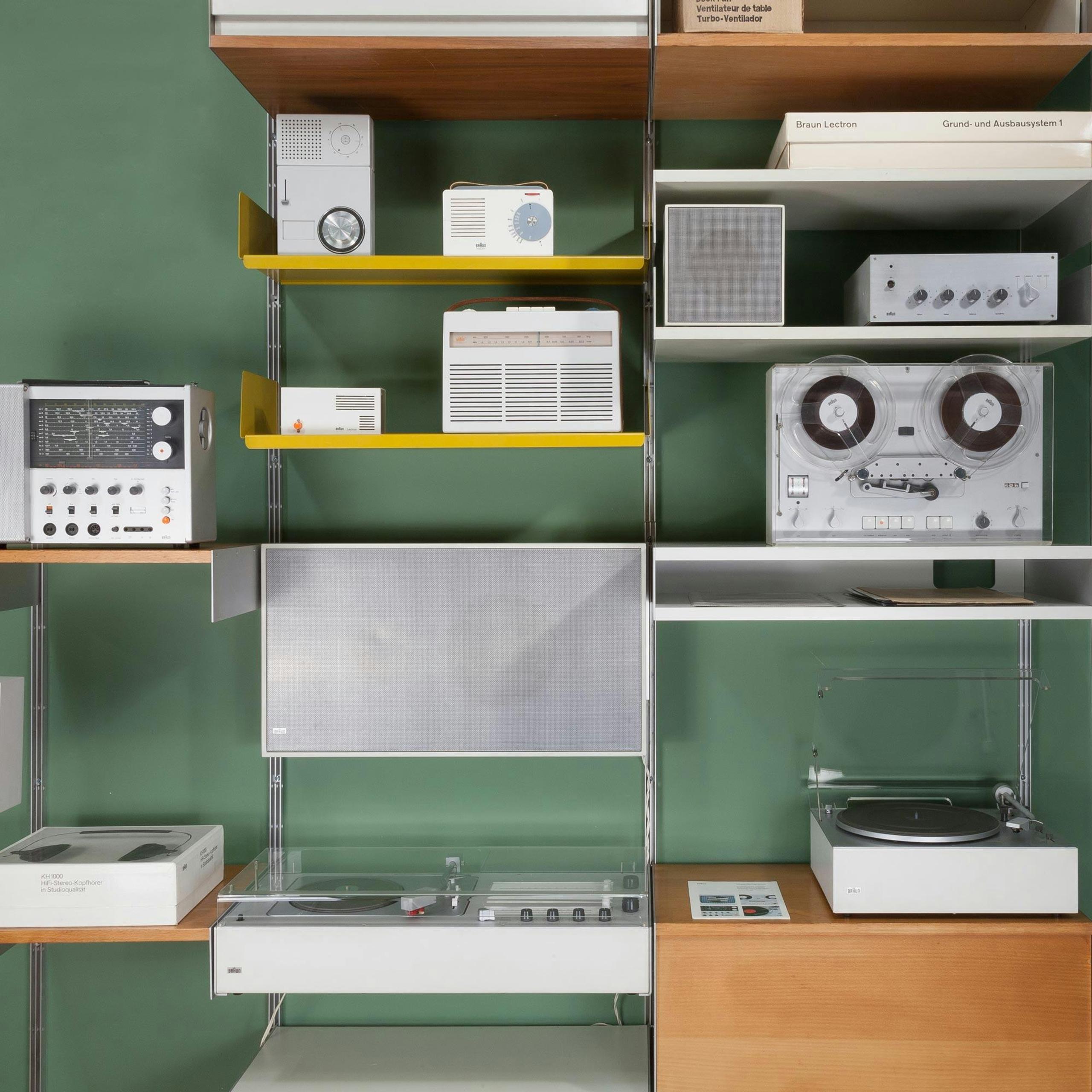
While there’s a very decent likelihood that you’re already familiar with Braun and at least some of its products, you may not be entirely privy to the sheer scope of products made by the company over the years — many of which can be found in the Das Programm archive.
“There are just so many products that have been produced by Braun,” explains Kapos. “There’s coffee grinders, food processors, electric toothbrushes, flash units, slide projectors, cameras, hairdryers, shavers, lighters, clocks, audio equipment, etc.”
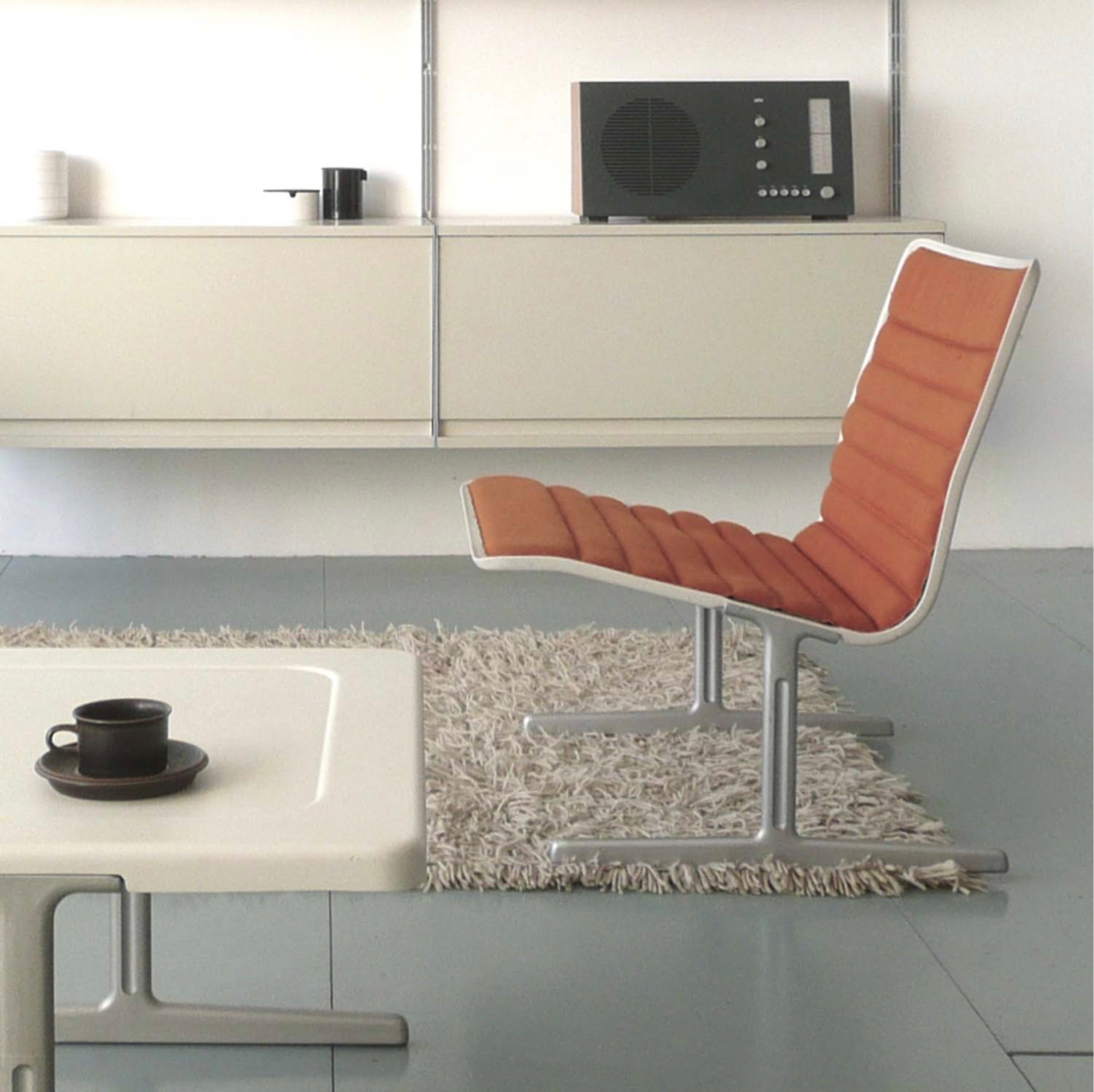
Despite the diversity of its offerings over the years, almost all of Braun’s products share certain inherent qualities that make its products almost instantly recognizable.
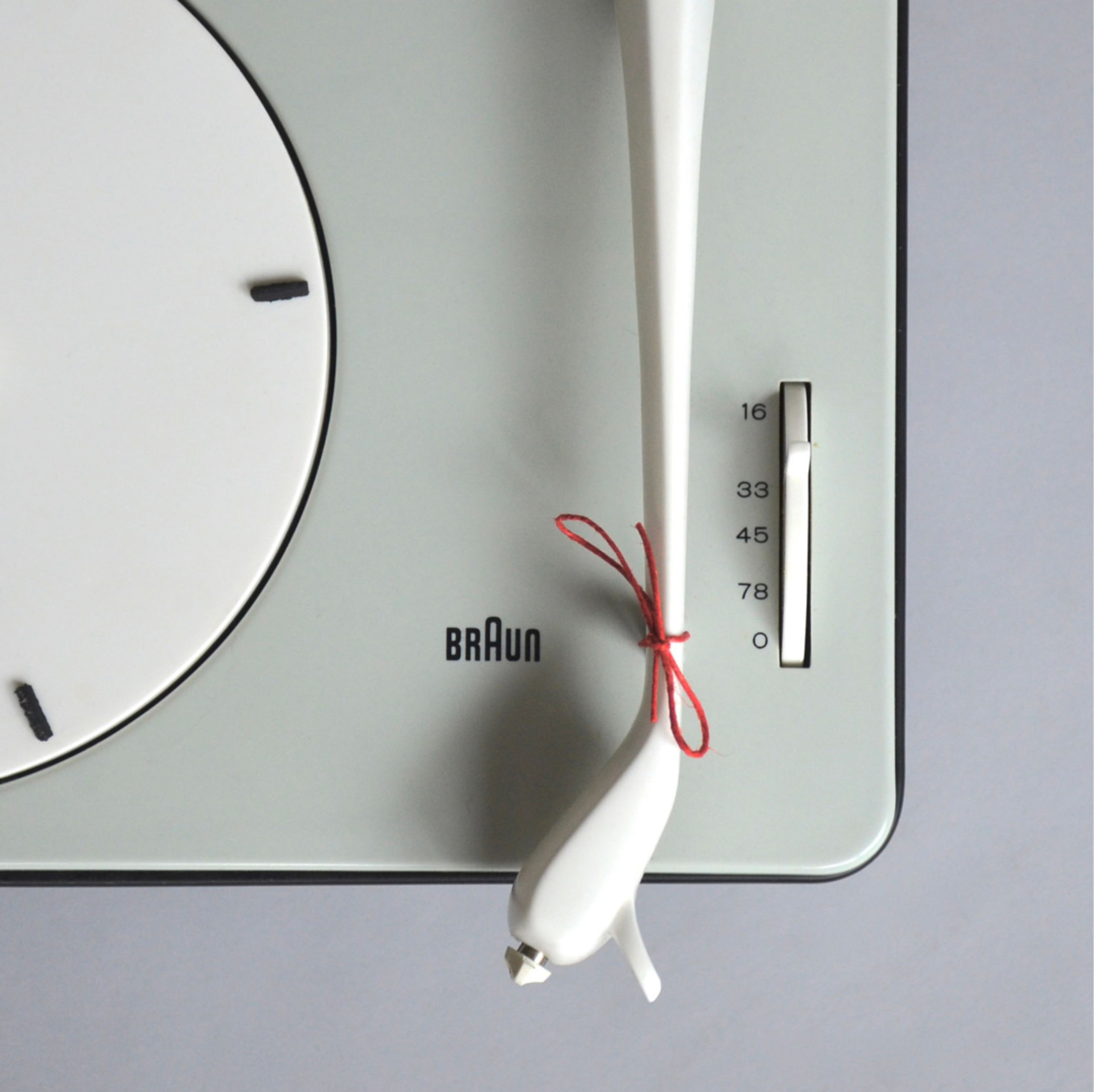
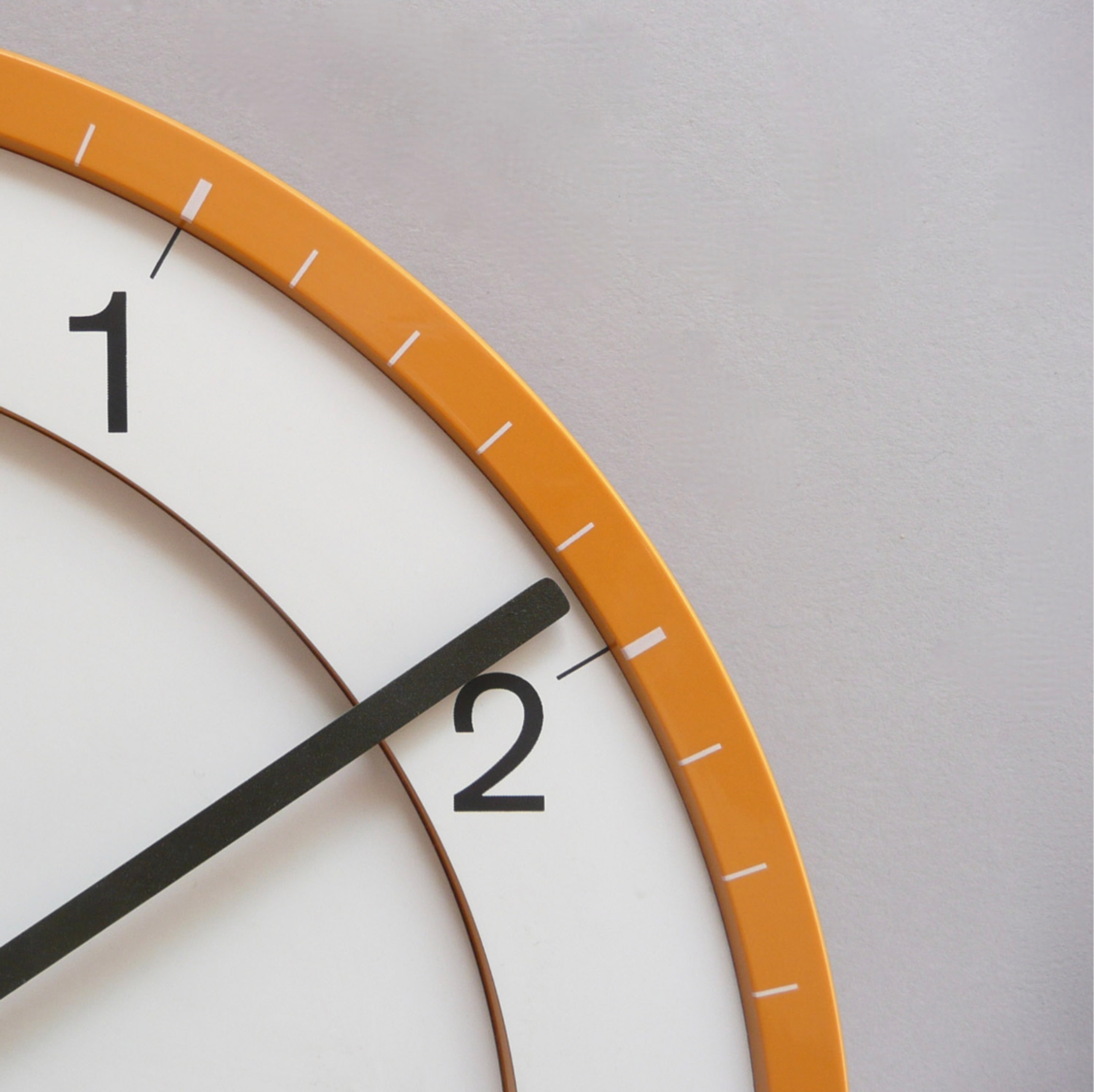
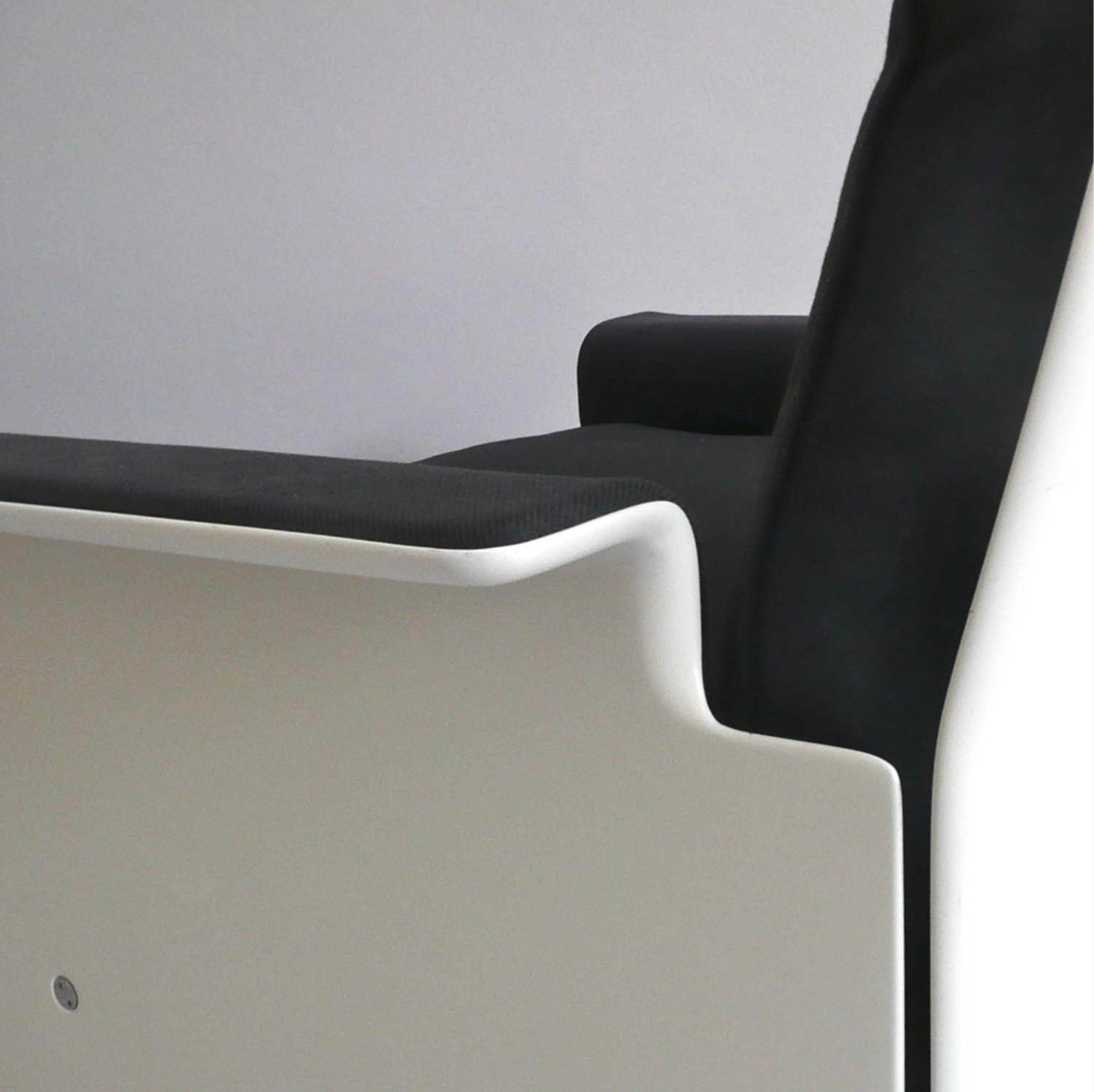
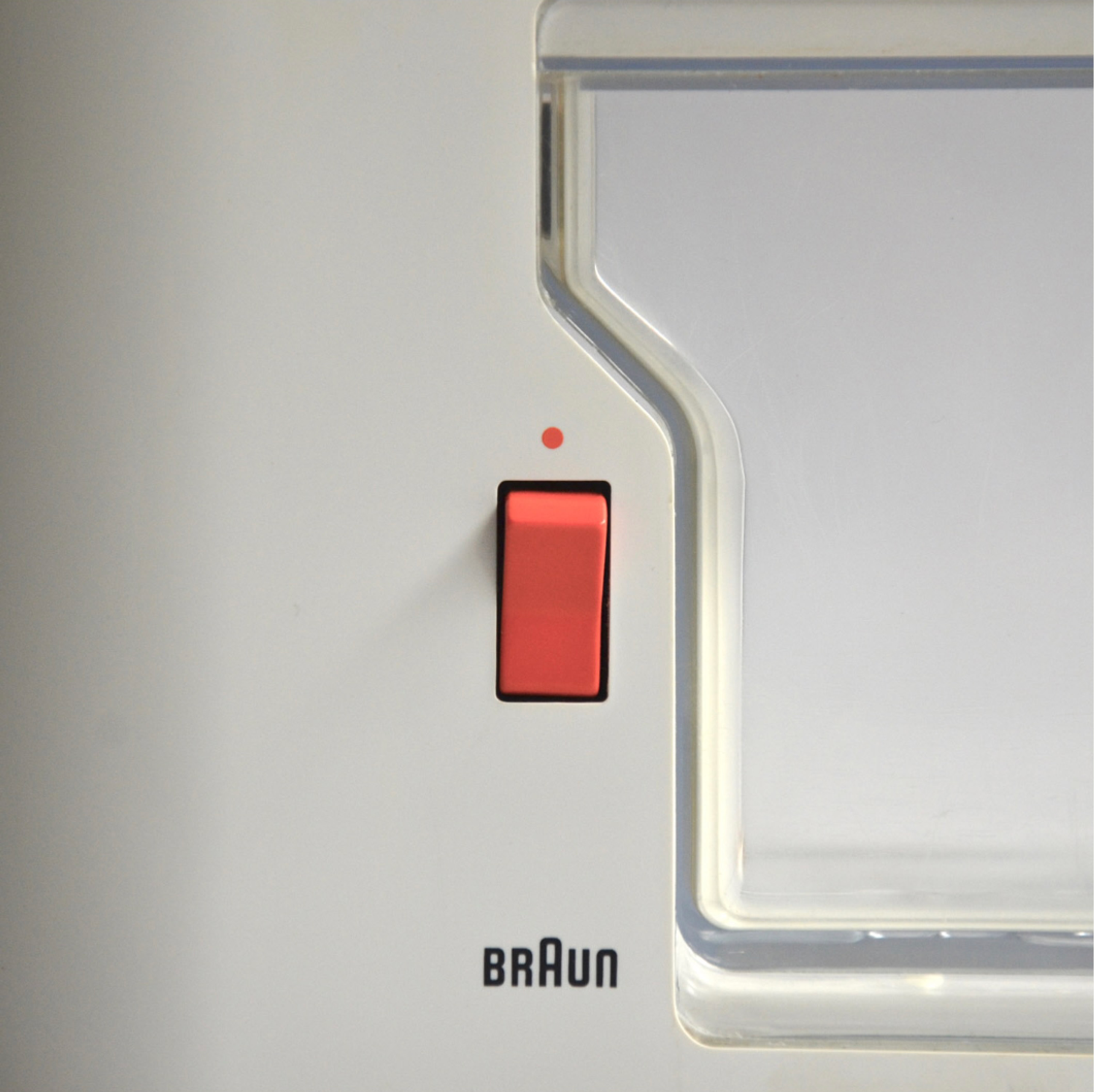
“The mechanical system of a desk fan is different from the mechanical system of a coffee grinder, so they have formally a very different kind of level of expression,” Kapos tells us. “Somehow they manage to find a way of balancing that kind of attention with a different language which is in the audio category which is the language of keyboards, and they still belong broadly to the same Braun universe, but have very different forms of expression.”
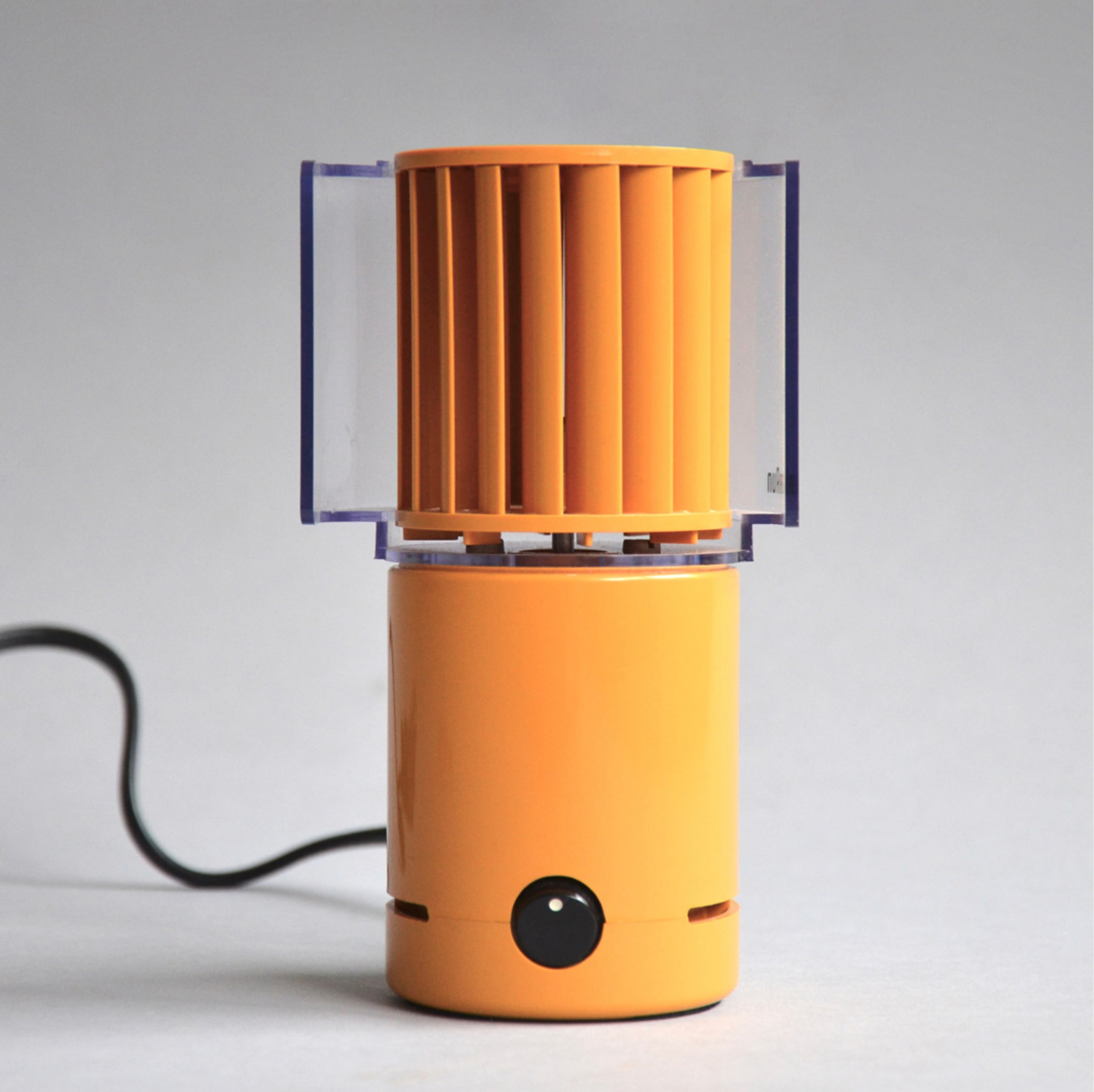
Braun HL 70 desk fan
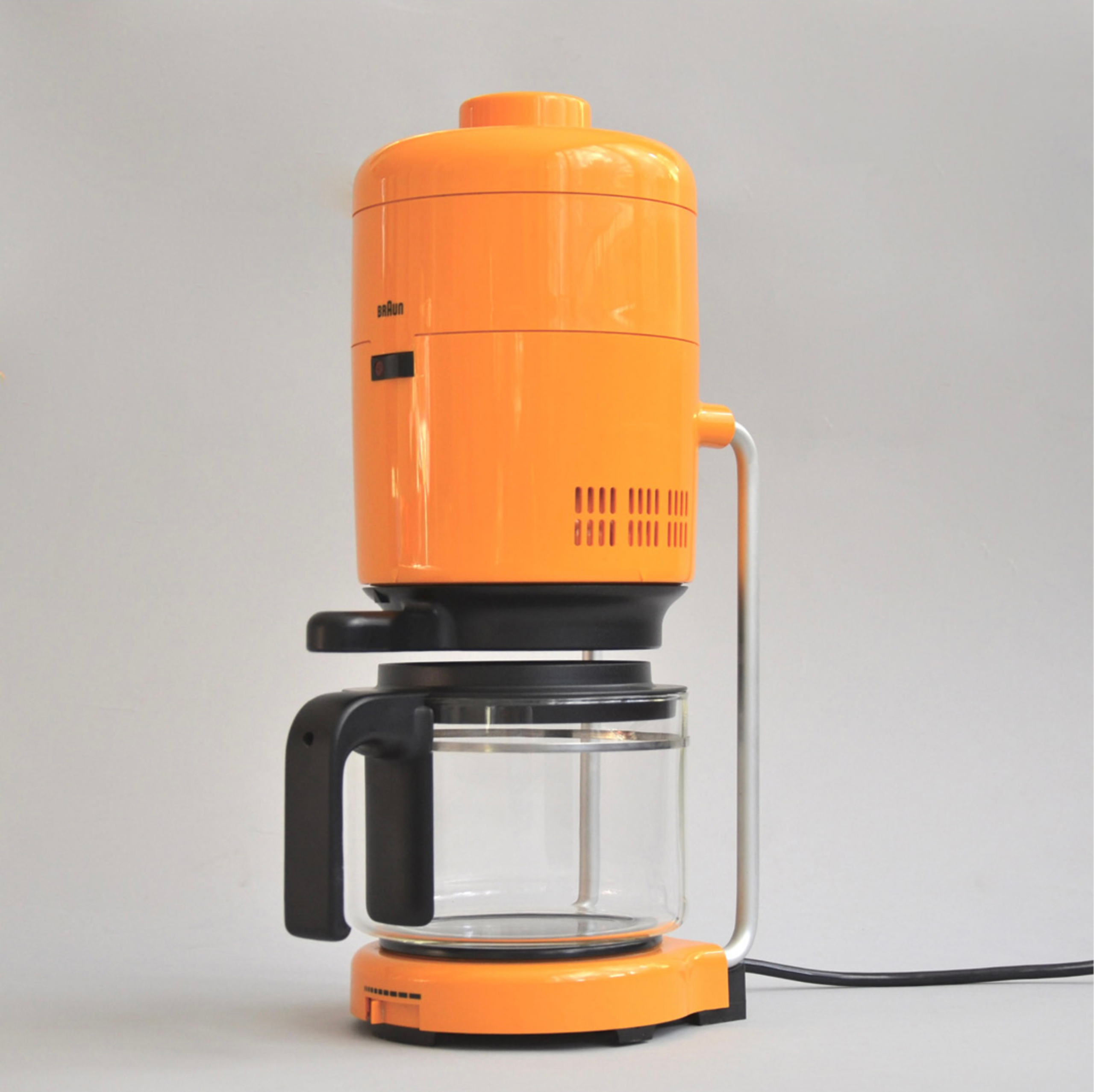
Braun KF21 coffee maker
With such a diverse range of products and such an illustrious history, it can be difficult to wrap your head around the eco-system of wares that Braun has churned out — along with what makes these items special.
“The utopianism of that is that it’s like the objects are people and the whole Braun program is like a society, and difference is tolerated and kind of celebrated within unity, so it’s a kind of like slightly hippy version, kind of like an ideal society being modeled by how to sell product.”
Though Kapos clearly possesses a major affinity for Braun’s industrial designs, he doesn’t subscribe to certain beliefs often associated with the German firm — especially when it comes to the timeless nature of Braun’s work, and how it adheres to the ten principles of design.
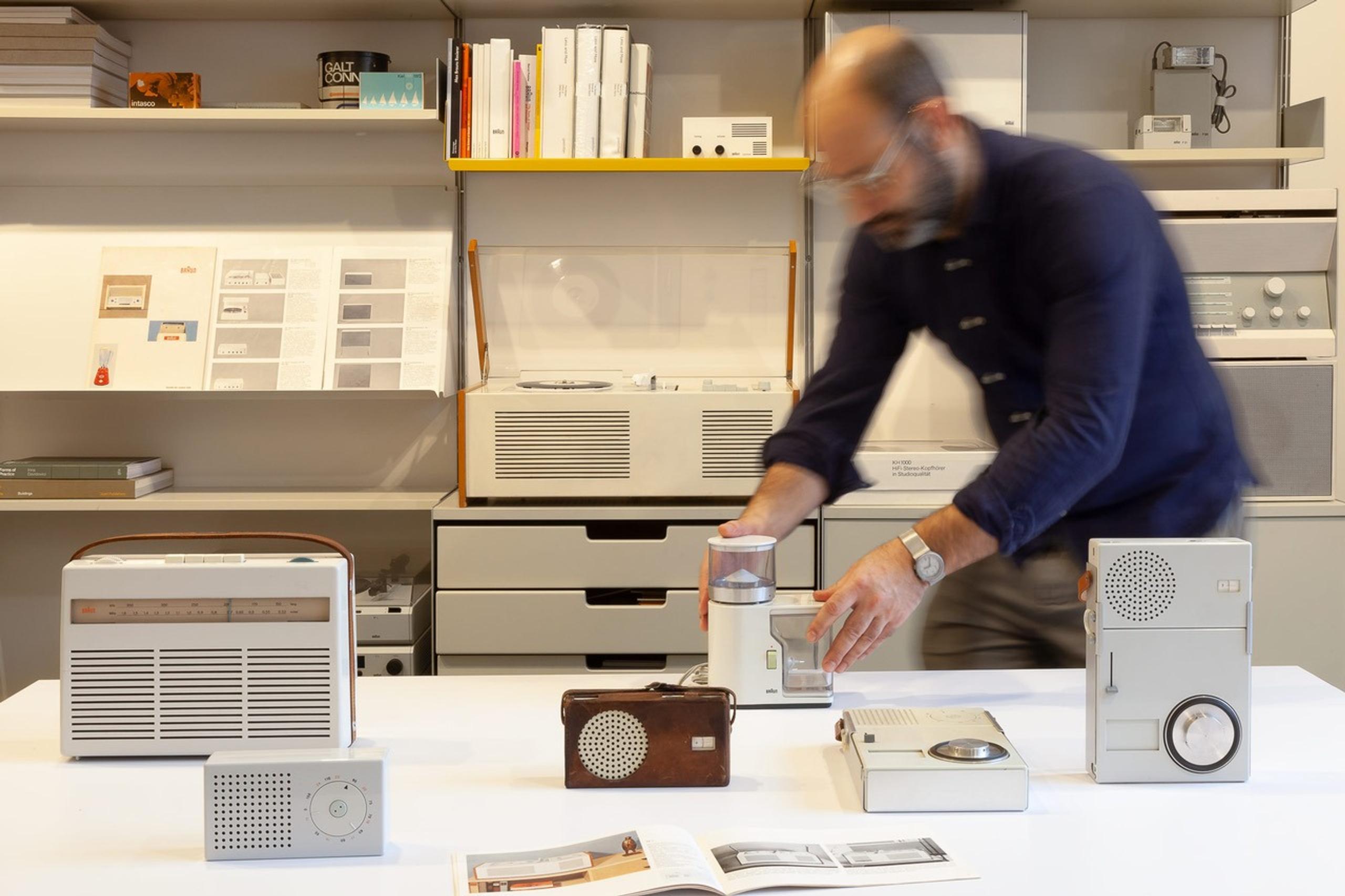
“The other thing is this question of timelessness and design — which is bullshit — and ya know, this idea that Braun design is somehow good design. Like that comes out of this nonsense around the ten principles, ya know. Design isn’t a thing that can be defined as good or bad, there are moments in which things are interesting or less interesting, useful or less useful. Even if you look at the ten principles they’re not actually of any use to any designer, they’re so abstract and general.”
Instead, Kapos sees good design as an answer to a certain necessity or problem — all while being thoughtfully designed and carefully blending form with function. “You need to look out the window and think about what’s happening and what’s required, what do those conditions call for. And it might be the thing that wasn’t useful yesterday is useful now. And design is that, it’s that relationship between human beings and their environment.”
As far as Kapos’ belief on the future direction of design — whether that be the industrial design of products or the larger design of infrastructure — the archivist thinks everything is pointing to a de-materialization of the products we use. “I think at the moment we’re at kind of an conflection point. We’re moving towards the total de-materialization of all equipment, where you don’t, as a user, have anything to do with all the equipment. So you may not know where in the house it is. How does all this apparent magical stuff happen? It’s through buried cables, satellites. I mean, it’s the most hardware you can imagine, really. Like infrastructure’s insane.”
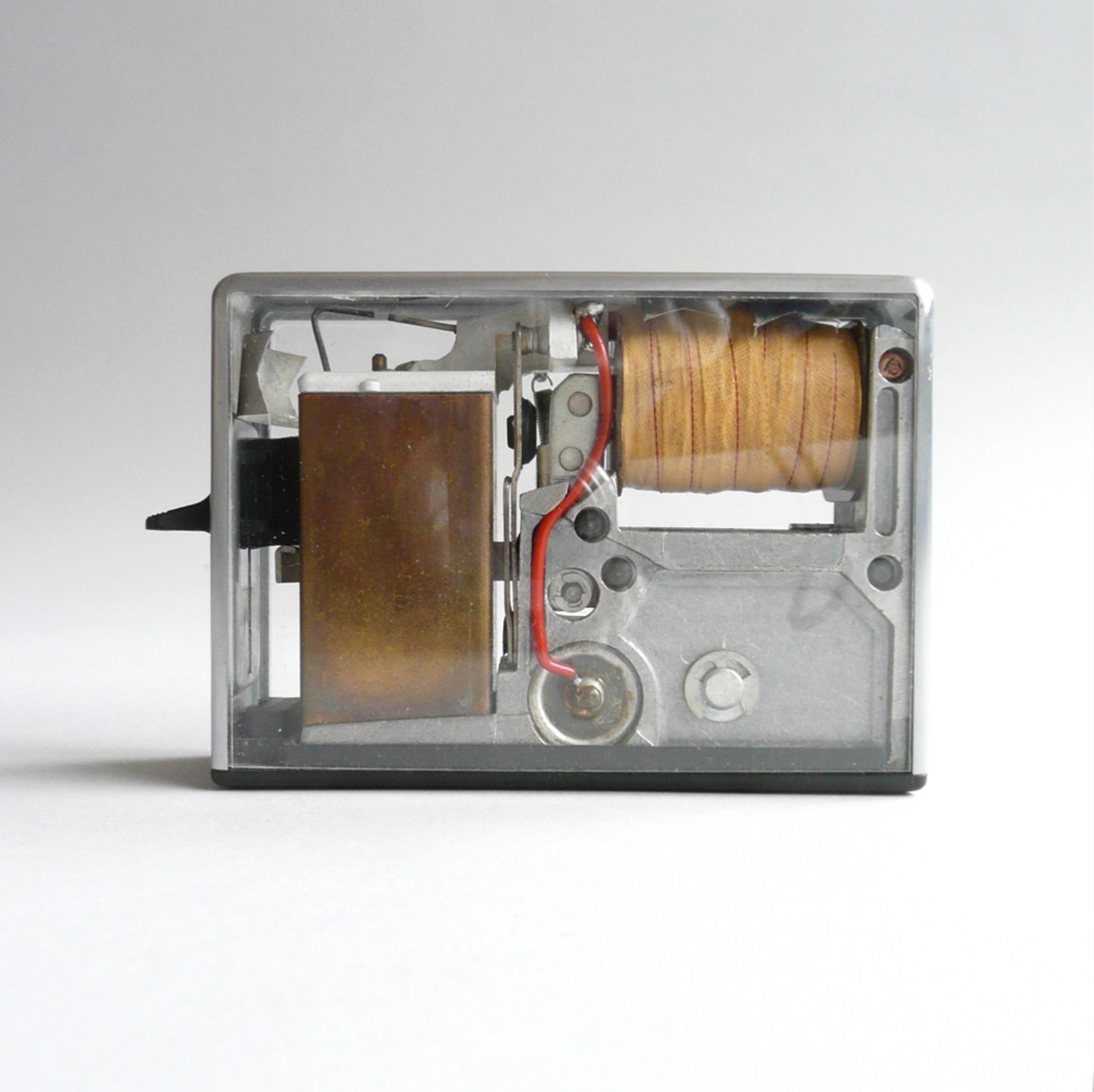
Braun TFG 1 table lighter
When questioned about how he sees the bigger picture and the broader future of design, Kapos expects things to come full circle sooner than later — a belief that certainly jives with the resurgence in popularity of more analog offerings in our current digital age.
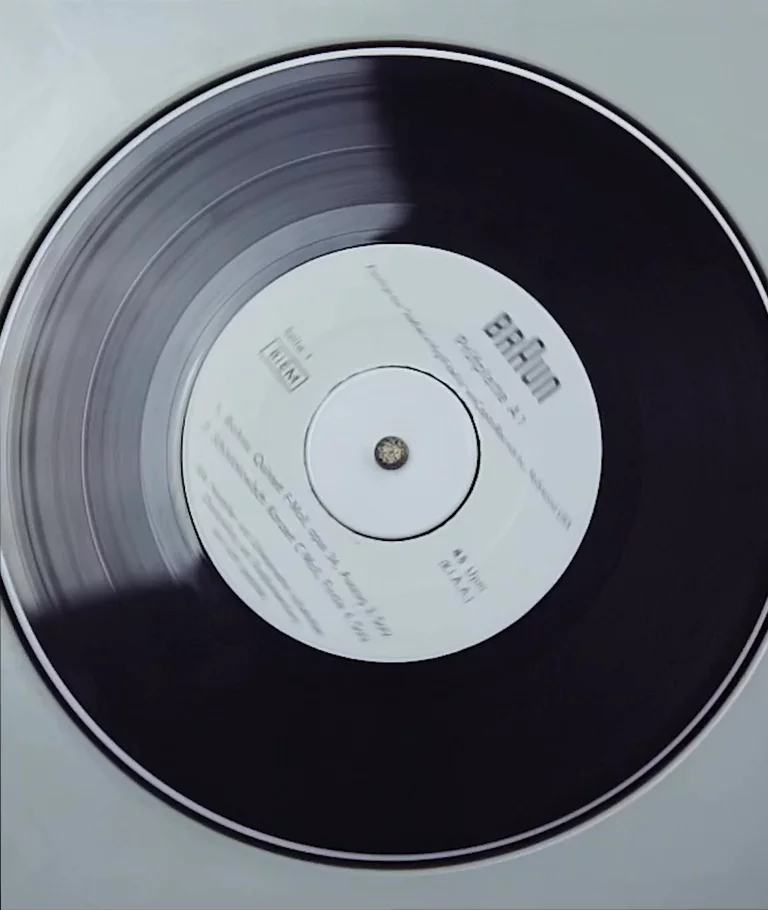
“It’s all very convenient, and in a way we’re very dependent on it. I think it’s a kind of luxury that comes out of this sort of idea of frictionless-ness, which really are illusions, because they don’t produce happiness ultimately, and they belong to a kind of category of experience which is fragmented attention. So when people want something concrete, real, they want to be present, analog and a record, and even the fact that you’re going to have to get up out of your seat and change the side at some point, that’s become desirable. I mean, it’s funny because that used to be a problem — so they developed record changers — and I think now it’s desirable to get up from the seat.”