Restless Spirits Episode 10: Ben Uyeda
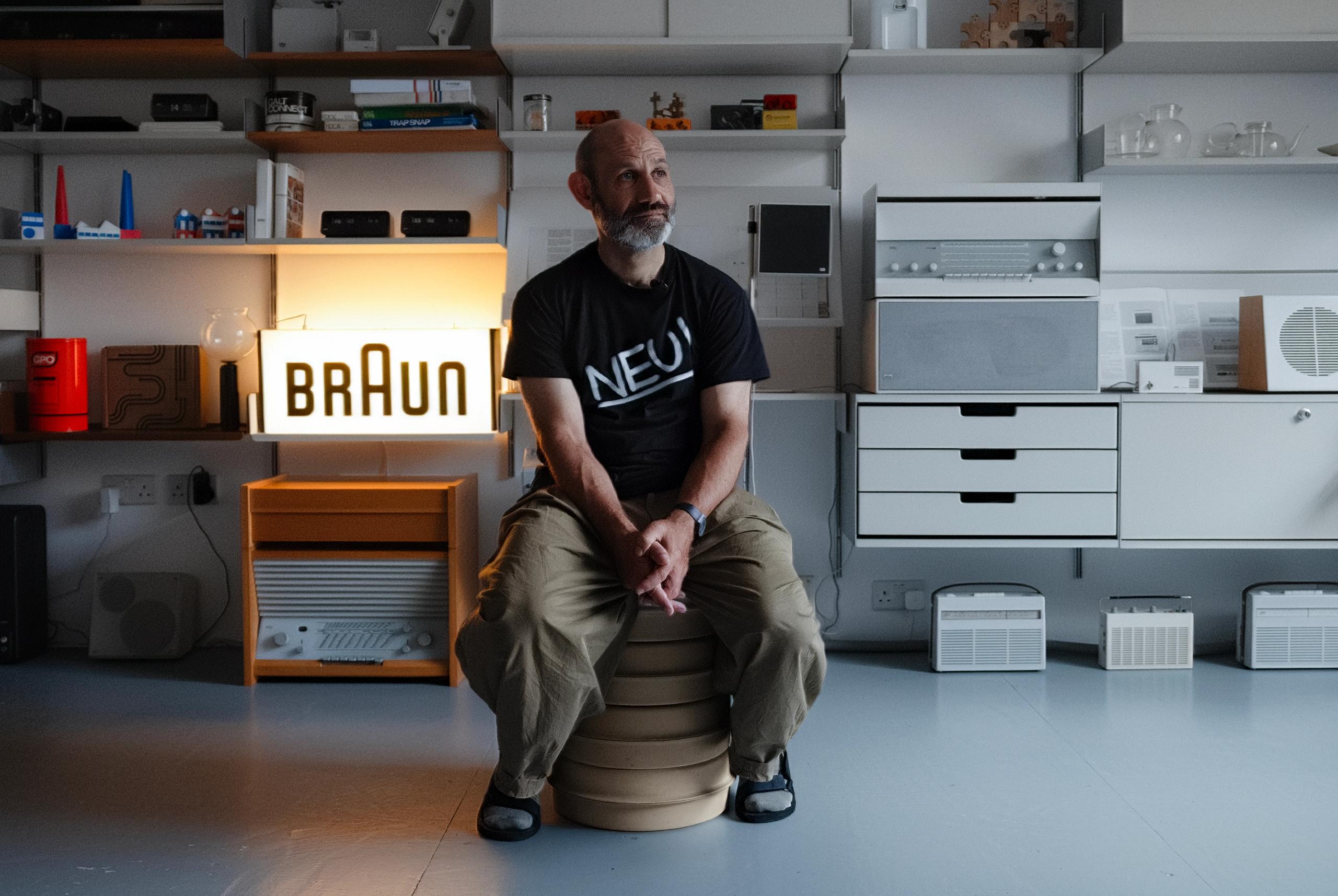
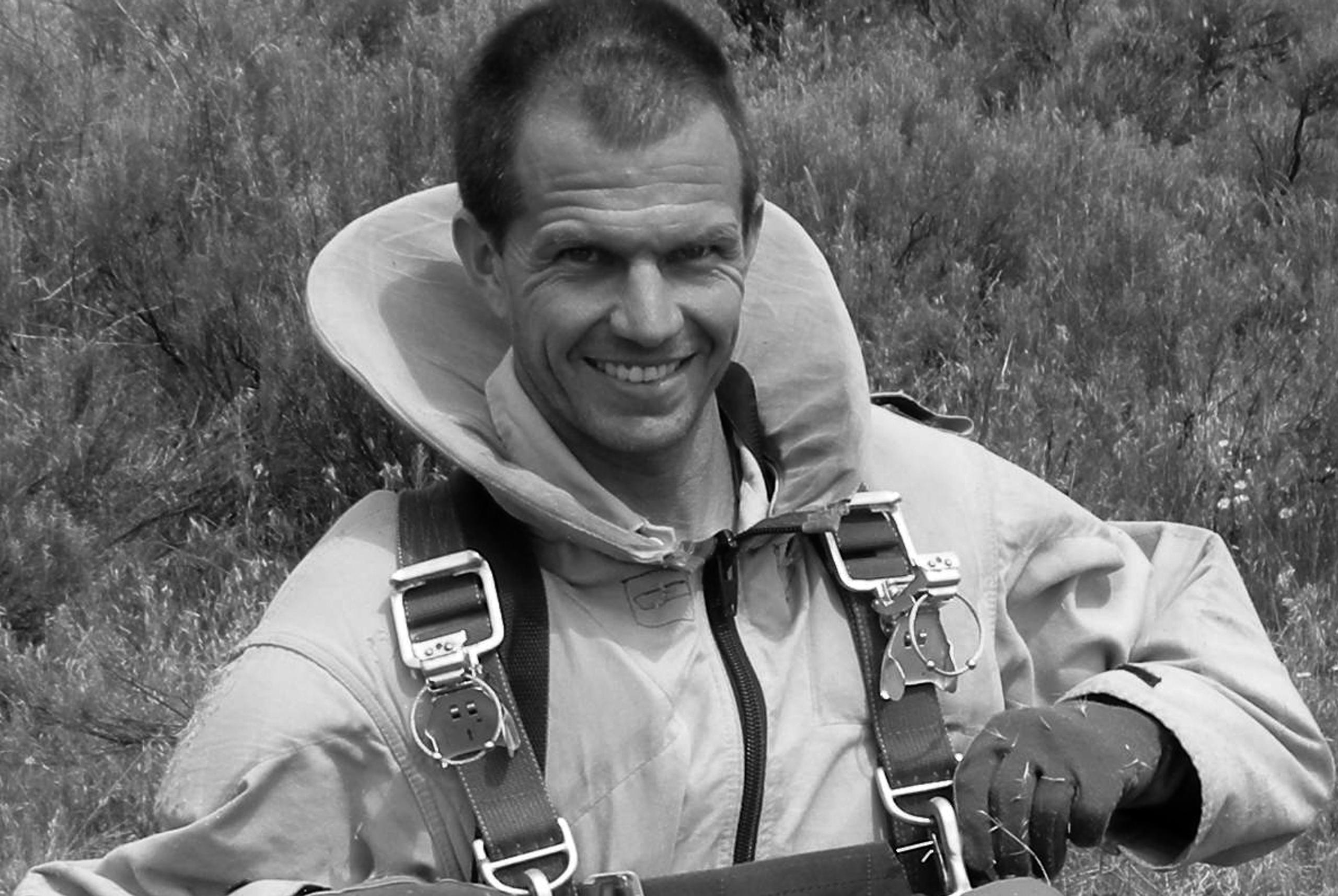
AETHER has always placed a premium on seeking out inspiration, looking to people that bolster our creativity and motivate us to step outside our comfort zone. Ben Uyeda is undoubtedly one of those individuals, as the sheer level of creativity and skill the DIY expert possesses is nothing short of inspiring. So, when we recently got a chance to spend a day with Uyeda in Joshua Tree, we jumped at the opportunity to sit down with the artist, craftsman, and designer to hear about the importance he places on slowing down and connecting with nature, and how a lifetime of accruing seemingly unconnected skills have culminated in his latest — and most ambitious — project to date.
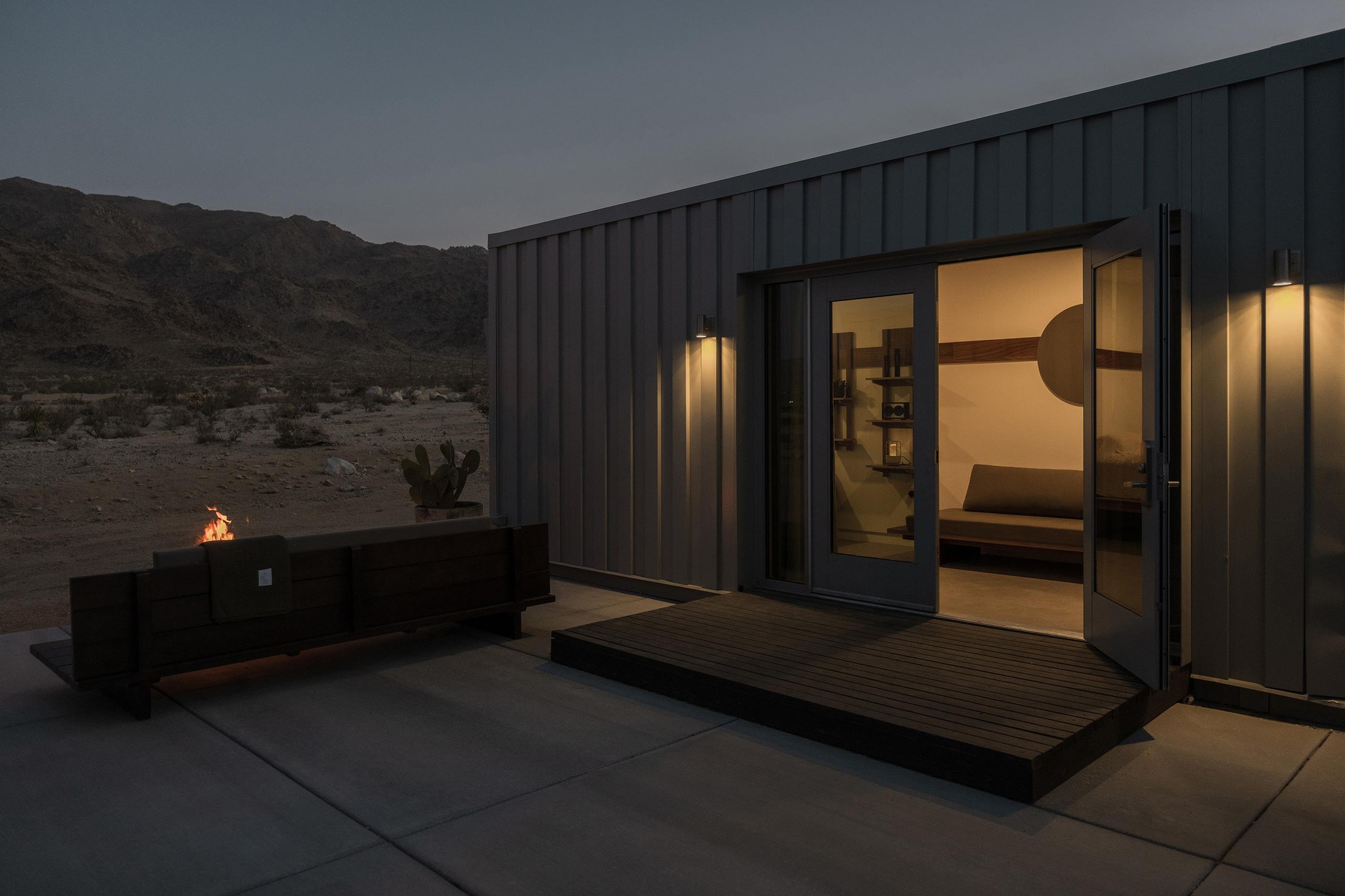
Born and raised in Santa Barbara, Uyeda has always lead an impressive life, attending (and then later teaching at) an Ivy League school before later co-founding what would become an award-winning architecture firm. In more recent years, he’s walked away from these more traditional occupations in order to pursue other creative outlets, namely social media and the development of several media companies. And while he’s best-known for his DIY projects and open-source designs, he’s more recently rolled his skill and experience into the creation of RESET Hotel, a boutique hotel in Twentynine Palms comprised of shipping containers that have been repurposed into rooms — and the first new hotel to open there in over 15 years.
“We live in a world that’s completely dominated by very smart people pursuing very efficient strategies, and I think a consequence of that is that it makes us want things that are kind of the opposite,” Uyeda explains. “As a designer, I kind of think like ‘while, efficiency might not be your sole focus, you need it within your internal processes, but it’s not the end goal to itself, it’s making something that’s valuable enough that it doesn’t have to be efficient.’”
Though Uyeda never initially set out to build a hotel, his life’s journey saw him slowly accumulate a myriad of different skills over the years that have all come together to give way to RESET — from his hands-on DIY building acumen to his knowledge of up-cycling and repurposing materials to his architectural talent. This, coupled with the confidence he’s gained over the years not only made this hospitality project possible, but also extremely successful.
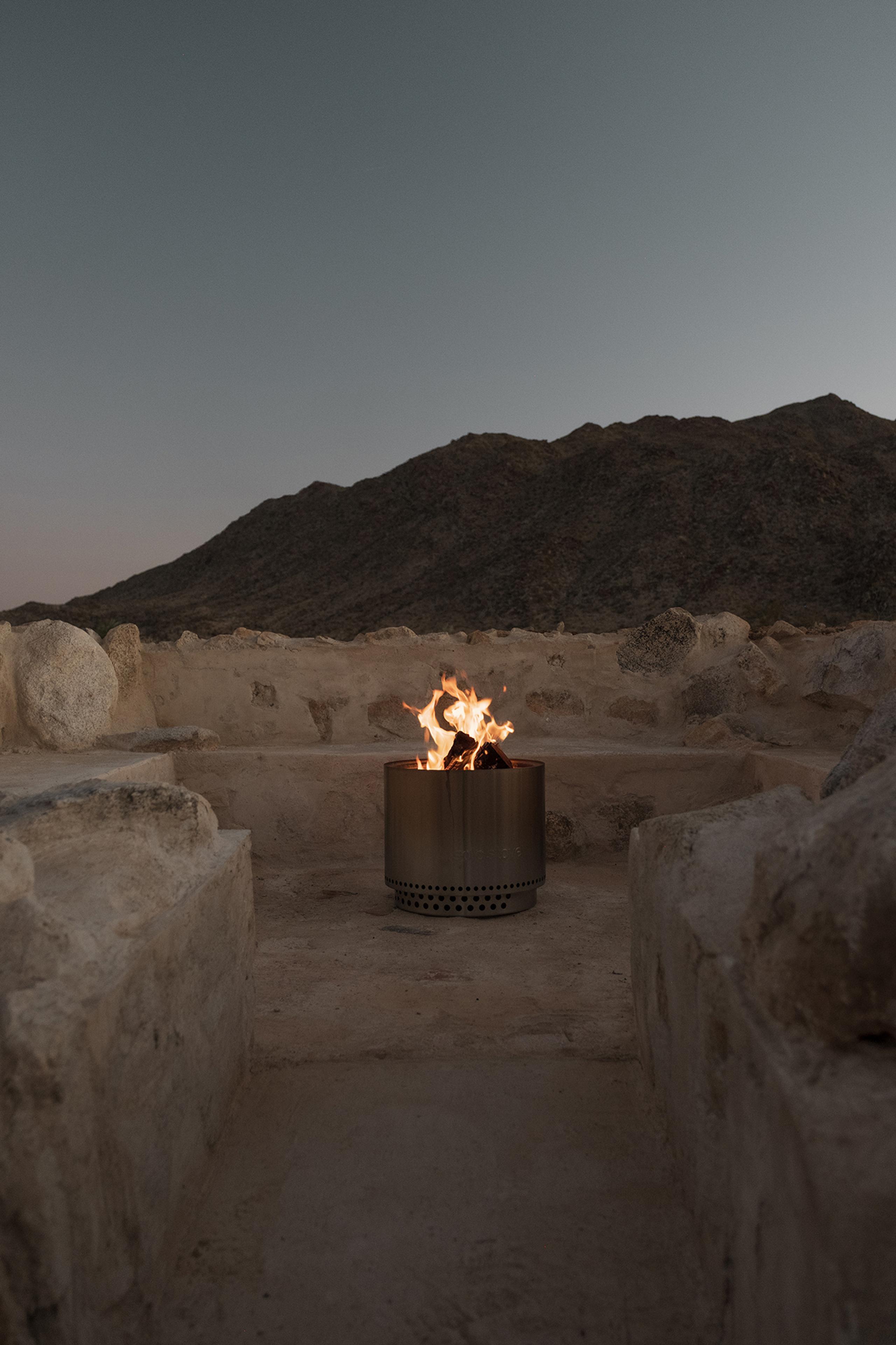
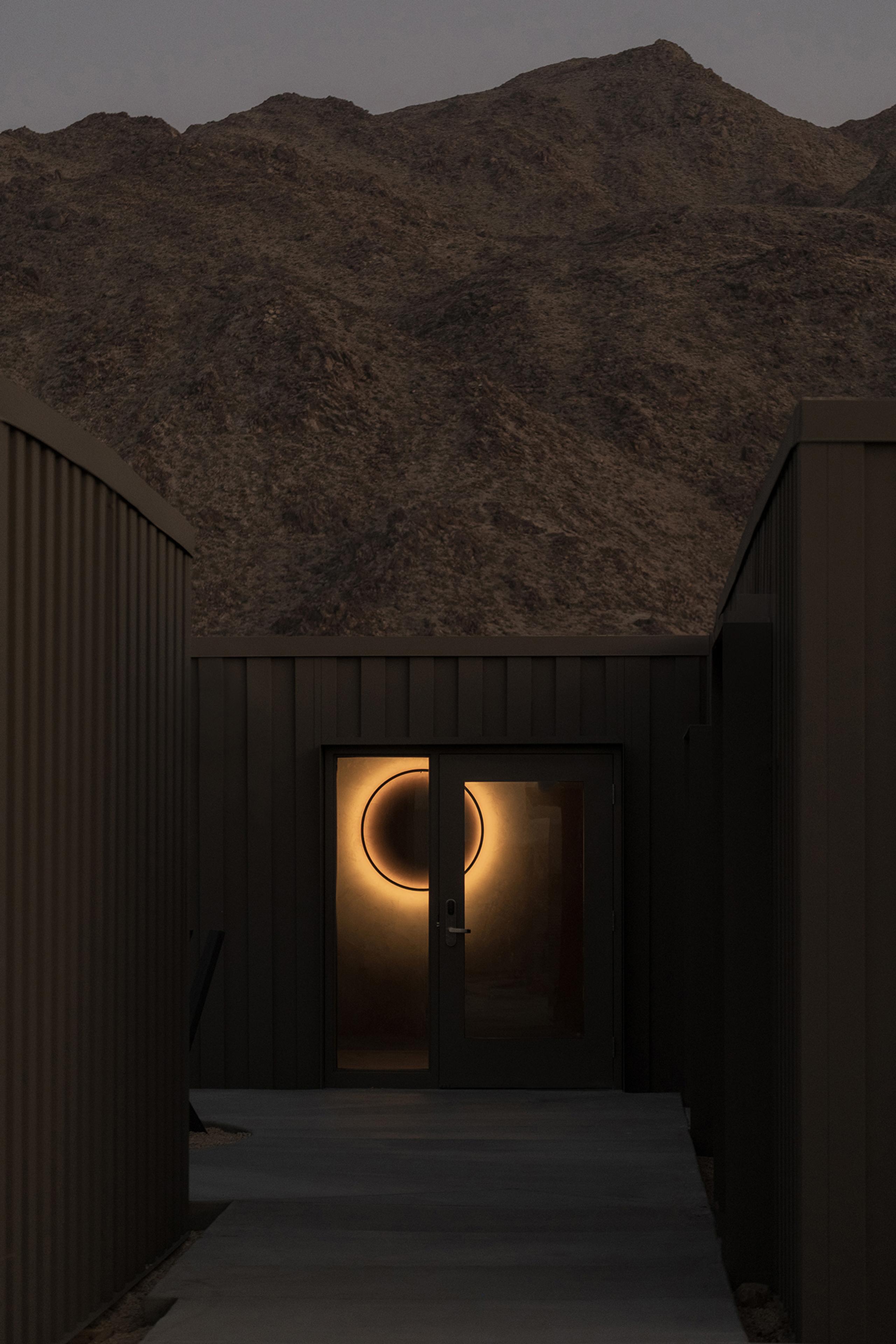
“I always have trust in process,” Uyeda tells us. “I think anything you learn to do with some intensity and some degree of focus will have some benefit for something else. Even if that thing or that initial experiment doesn’t really go anywhere as an end product. But if you’ve worked with glass to make a vase, if you’ve worked with wood to make a table, if you’ve worked with concrete to make a stool or fire pit, it’s pretty natural to think ‘well how do I start composing with these different beats and put them together in a way that makes something a little more grand.’ So there is no direct connection between making a vase and a hotel, but there’s a lot of steps in-between, and when you look at them over a 15-year time period, there’s total continuity between all the days.”
Whether it’s repurposing bottles into vases or constructing furniture from reclaimed wood and rock, almost all of Uyeda’s projects are designed to serve people, solve problems, and be fully functional. And while it serves a very different function and solves a very different problem than the DIY furniture pieces that have made him go viral on social media, RESET Hotel ticks these same boxes.
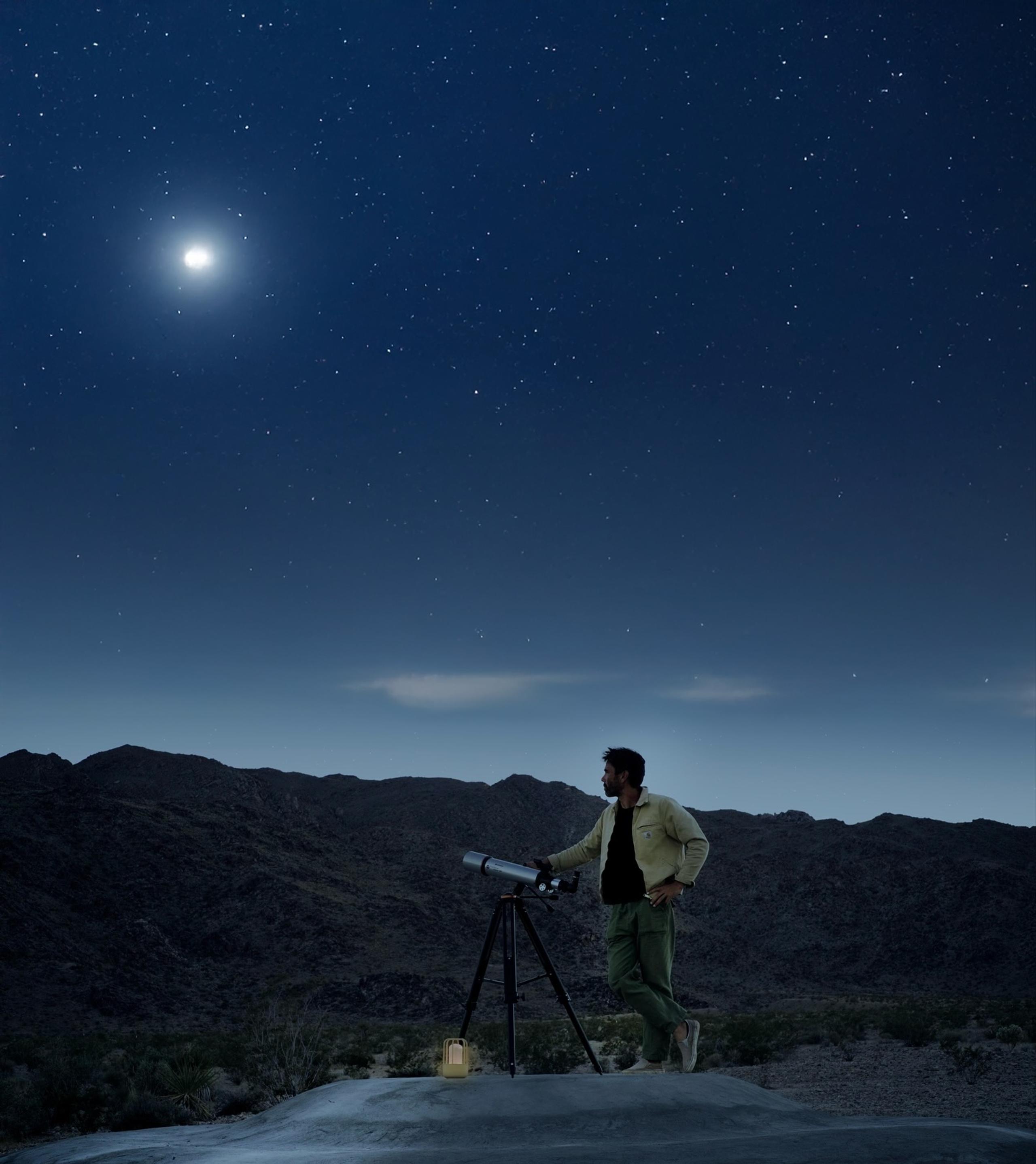
“In California we have a bit of a housing crisis. We have’t been building enough homes. Innovations in short term rental platforms and things like that, there’s some really great things about that, they create opportunities for people. One of the consequences though, is that some amount of residential land and homes, in a state that doesn’t have enough of them, is getting used for hospitality and not for full-time living. So one of the things I’m most proud about RESET Hotel is that we built it on commercially-zoned land. We used the land that was zoned appropriately. We built to the very high environmental standards of the state, we added new infrastructure in the form of a sewage treatment plant, new roads, and we really added to the city in a way that the city was always intended to exist, and created this connection between a small town that needs the revenue from projects like this, and this amazing national park that should always be the exact opposite of a city; a preserve to keep nature the way it is.”

As the hotel’s monicker suggests, Uyeda aimed to create a space in the desert that celebrates and highlights the beauty of the nature surrounding it, and inspires its guests to slow down and disconnect from the hustle and bustle of daily life. Ironically, it was actually tech and social media that prompted Uyeda’s relocation to Joshua Tree.
“I moved to Joshua Tree in 2018 and it was mostly based on this one chart,” recounts Uyeda. “It tracked monthly active users on Instagram, and visits to national parks. And what was really interesting was that there was a massive rise in both of those that correlated pretty tightly. I was like ‘oh that’s really interesting.’ The more we’re on our phones, looking at images and videos of things, and sharing them with people, the more we want to take trips to the best moments in nature in this country. And I was like ‘that’s awesome.’ All the bad things (about) the internet, social media, it’s been said enough. It incentivized a good and healthy behavior, and it’s not like we’re short in today’s world of stimulus. We’re probably the most over-stimulated from a media standpoint, most over-caloried from a food standpoint, the most over-notified, from a social and work standpoint, that I think the way to create an object that makes people think is by giving them the kind of space, and something in their kind of soft focus to contemplate.”
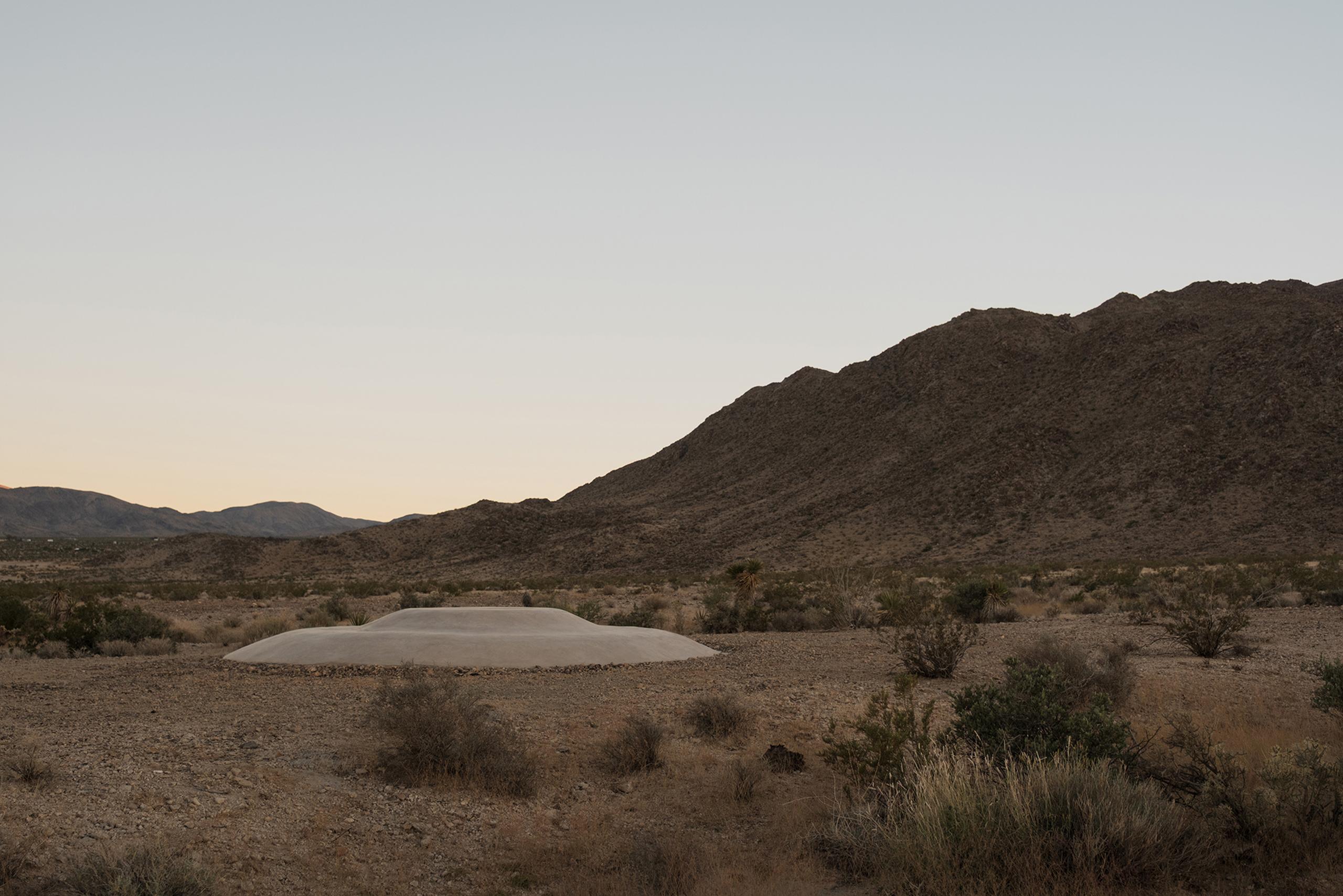
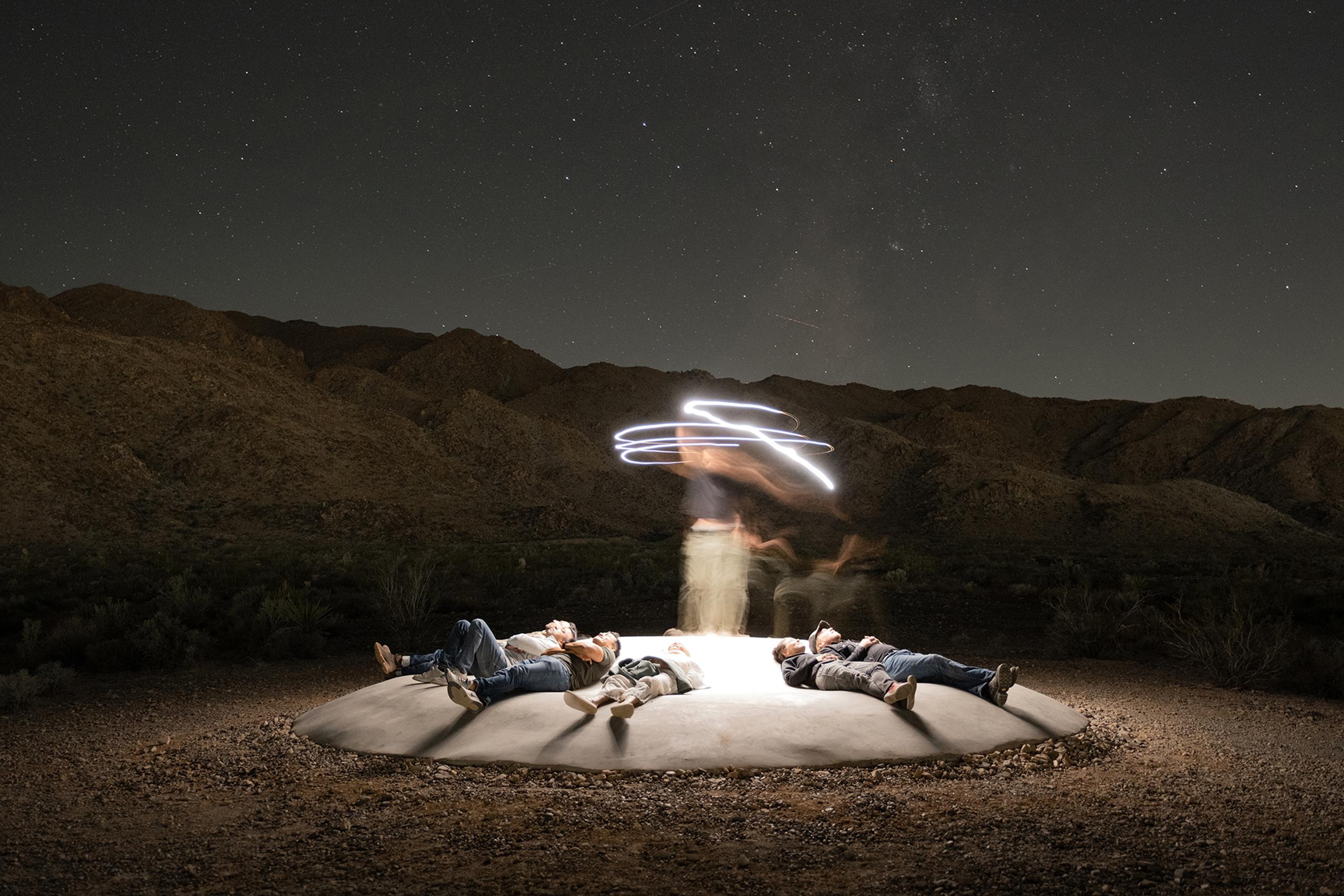
Uyeda’s desire to connect with the natural world mixed with his off-the-charts creativity and design and building skills are all thoroughly on display through his project dubbed “MoonPad.” Both its design, construction, and execution are simple yet brilliant, and in Ben’s typical fashion, the end result not only looks fantastic, but is also completely functional, and highly original.
“The ground here is a little harsh and uninhabitable, and so making something smooth that people can just lay on and stare directly up, I have a feeling the thoughts will come. And if that’s coming from this interface with the land, well then I think that starts getting us into at least the purpose of art.”